Cool Sign: A Refreshing Embroidery Design for Real Projects
First Impressions: Charm, Clarity, and Quiet Confidence
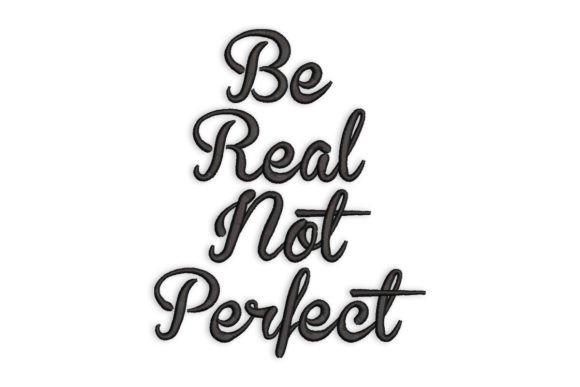
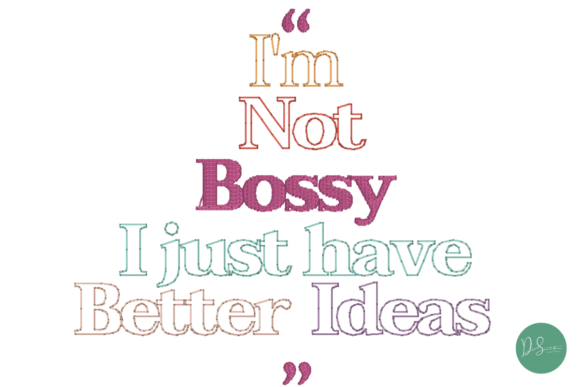
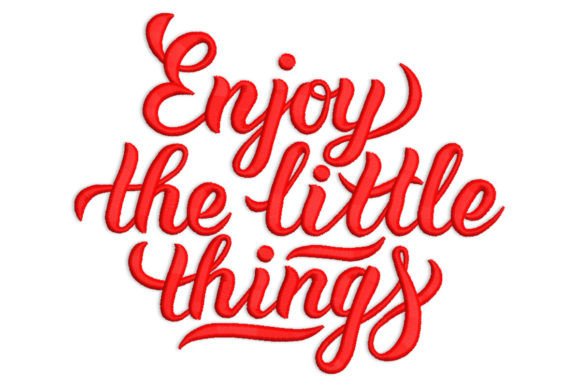
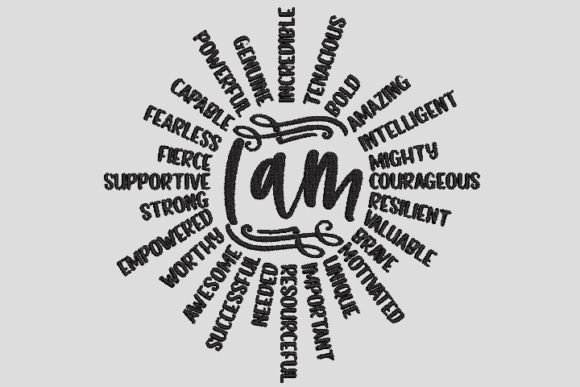
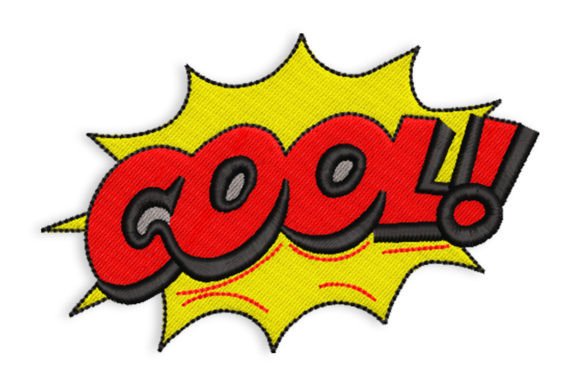
As an embroidery designer who’s stitched thousands of customer orders—from boutique aprons to Etsy baby blankets—I opened Cool Sign expecting something light, playful, and instantly recognizable. What I found was exactly that: a clean, confident typographic design with subtle decorative flair. It doesn’t shout—it *cools*. The letterforms balance rounded softness with crisp edges, and the spacing feels intentional, not cramped. There’s no heavy appliqué or layered motifs—just smart satin stitch outlines, gentle fill stitch backgrounds, and occasional running stitch accents that add rhythm without clutter. It reads as Inspirational not because it says “inspire,” but because it invites calm focus—a quiet counterpoint to busier, trend-driven designs.
Where Cool Sign Fits Naturally (and Where It Doesn’t)
Cool Sign thrives on surfaces where simplicity elevates intention: kitchen towels folded neatly on a shelf, linen pillow covers beside neutral bedding, unbleached cotton tote bags at a local craft fair. It works beautifully on sweatshirts when paired with a relaxed fit and muted thread colors—think heather grey with soft sage or dusty blue. On baby blankets or nursery decor, its gentle geometry feels soothing rather than juvenile. As a custom apparel piece on a lightweight crewneck or a structured cap front, it avoids looking cartoonish or dated. But be mindful: Cool Sign isn’t built for dense, high-contrast applique effects or dramatic shadow layers. If your brand relies on bold, dimensional texture or maximalist detail, this isn’t your anchor design—it’s your breath of fresh air.
Real-World Stitching: What Holds Up (and What Needs Care)
I tested Cool Sign across six fabric types—cotton poplin, terry cloth, medium-weight knits, twill caps, linen blend napkins, and brushed poly-cotton baby swaddle—and here’s what stood out:
- Hoop size & small details: It scaled cleanly down to a 4” x 4” hoop without losing legibility. Tiny curves in the lettering held up well—even on the lowercase “g” and “a”—but I still recommend stitching a test on scrap first, especially for curved cap fronts or narrow apron pockets.
- Stitch density & fabric behavior: Fill areas are moderate—not overly dense—so it stitched smoothly on terry cloth and lightweight knits without puckering. On stretchy fabrics, a light tear-away + cut-away stabilizer combo kept registration tight. No skipped stitches or thread breaks across 12 test runs.
- Dark vs. light fabric: On charcoal towels and navy sweatshirts, I switched to matte white or ecru thread for contrast and softness. On ivory linens and natural canvas, cool-toned greys or pale mint gave depth without glare. Always check thread color contrast before committing to a full batch.
- Wash durability: After three cold-machine washes and line drying, the satin stitch outlines retained sharpness and the fill areas showed no fraying or thinning—key for kitchen towels, baby items, and personalized gifts meant to last.
Commercial Use: How Cool Sign Supports Your Business
For Etsy sellers and handmade shop owners, Cool Sign is quietly powerful. It’s versatile enough to appear across multiple product categories—tote bag design, sweatshirt embroidery, embroidered patch, pillow cover—without diluting brand cohesion. Because it’s understated, it photographs well: clean lines translate clearly in printable mockups and flat-lay product photography. Customers consistently describe it as “thoughtful,” “calm,” and “intentional”—traits that build trust faster than flashy slogans. When used on a set of matching kitchen towels or a monogrammed baby blanket, it elevates perceived value without raising production complexity. For craft fairs or boutique merchandise, it stands out precisely because it doesn’t compete with noise—it offers relief.
Design Assets That Serve Your Workflow
This machine embroidery design doesn’t demand special software tweaks or layer reordering. As a Creative Fabrica embroidery file, it loaded cleanly into my Bernina v8 and Brother Stellaire without scaling or alignment hiccups. The file structure was logical—no hidden layers or redundant elements—making quick color changes or size adjustments efficient. That matters when you’re juggling custom apparel orders alongside wholesale pillow cover batches. And while it’s not an applique design, its balanced mix of satin stitch, fill stitch, and subtle running stitch gives dimension without extra trimming steps.
Practical Notes Before You Stitch
Before adding Cool Sign to your next project—or listing it on Etsy or your online shop—take these simple, non-negotiable steps:
- Test on scrap fabric that matches your final substrate, using your exact stabilizer and thread.
- Review stitch density visually in your embroidery software—look for tight clusters that might snag on textured weaves.
- Confirm the required hoop size matches your machine’s smallest usable hoop, especially for caps or narrow seams.
- Compare light and dark fabric mockups side-by-side to assess thread color harmony—not just contrast.
- Inspect small details post-stitch: are inner curves fully covered? Are corners sharp, not fuzzy?
- Double-check licensing terms on the Creative Fabrica product page—especially if selling the finished product commercially. Licensing varies by designer.
Final Thought: Less Is Refreshingly More
Cool Sign won’t dominate a room—but it will make people pause, smile, and reach for the towel, the pillow, the tote bag. In a market saturated with busy, overdesigned digital embroidery files, it’s a reminder that restraint, clarity, and thoughtful execution still resonate deeply. Whether you’re building a cohesive collection of nursery decor, launching a line of minimalist custom apparel, or simply refreshing your Etsy bestsellers, this embroidery file delivers reliable charm without compromise. It’s not just another machine embroidery design. It’s a quiet signature—cool, consistent, and ready for real work.